

Table of Contents
- Introduction
- What Is Exposure Management in Cybersecurity?
- Why Traditional Vulnerability Management Is No Longer Enough
- How Exposure Management Works
- Key Components of Exposure Management
- Benefits of Exposure Management
- Exposure Management and Zero Trust Security
- Common Challenges in Exposure Management
- The Future of Exposure Management
- Conclusion
Introduction
Cybersecurity threats are growing in both volume and sophistication. Organizations today face a constantly expanding attack surface driven by cloud adoption, remote work, third-party integrations, Internet of Things (IoT) devices, and increasingly complex IT environments. While many businesses invest heavily in security tools, vulnerabilities often remain hidden across networks, applications, identities, and cloud resources.
Traditional security approaches typically focus on identifying vulnerabilities and responding to incidents after they occur. However, modern cybersecurity demands a more proactive strategy—one that identifies and addresses potential weaknesses before threat actors can exploit them.
This is where Exposure Management has emerged as a critical cybersecurity practice. Exposure management enables organizations to continuously discover, assess, prioritize, and remediate security gaps across their entire digital ecosystem. Rather than treating vulnerabilities as isolated issues, it provides a comprehensive view of an organization’s cyber risk exposure and helps security teams focus on the threats that matter most.
In this article, we’ll explore what exposure management is, how it works, its key benefits, and why it is becoming an essential component of modern cybersecurity strategies.
What Is Exposure Management in Cybersecurity?
Exposure management is a proactive cybersecurity approach that continuously identifies, evaluates, and reduces security exposures across an organization’s attack surface.
A security exposure refers to any weakness, misconfiguration, vulnerability, or asset that could potentially be exploited by attackers. These exposures can exist across:
- Networks
- Endpoints
- Cloud environments
- Applications
- User identities
- Third-party systems
- Internet-facing assets
Exposure management goes beyond traditional vulnerability management by providing context about how vulnerabilities could be exploited and which exposures pose the greatest business risk.
Instead of simply generating long lists of vulnerabilities, exposure management helps organizations understand which risks require immediate attention and which can be addressed later.
Why Traditional Vulnerability Management Is No Longer Enough
For years, vulnerability management programs focused on identifying known software flaws and applying patches.
While this remains important, today’s attack surfaces are significantly more complex.
Organizations must now secure:
- Multi-cloud environments
- Hybrid infrastructures
- Remote workforces
- SaaS applications
- Third-party vendors
- Digital identities
Attackers rarely rely on a single vulnerability. Instead, they chain together multiple weaknesses, misconfigurations, and access points to achieve their objectives.
For example, a threat actor might exploit:
- An exposed cloud storage bucket
- Weak identity permissions
- An unpatched application
- Poor network segmentation
Individually, these issues may appear low-risk. Together, they can create a pathway to a major security breach.
Exposure management addresses this challenge by evaluating cyber risks in context rather than isolation.
How Exposure Management Works
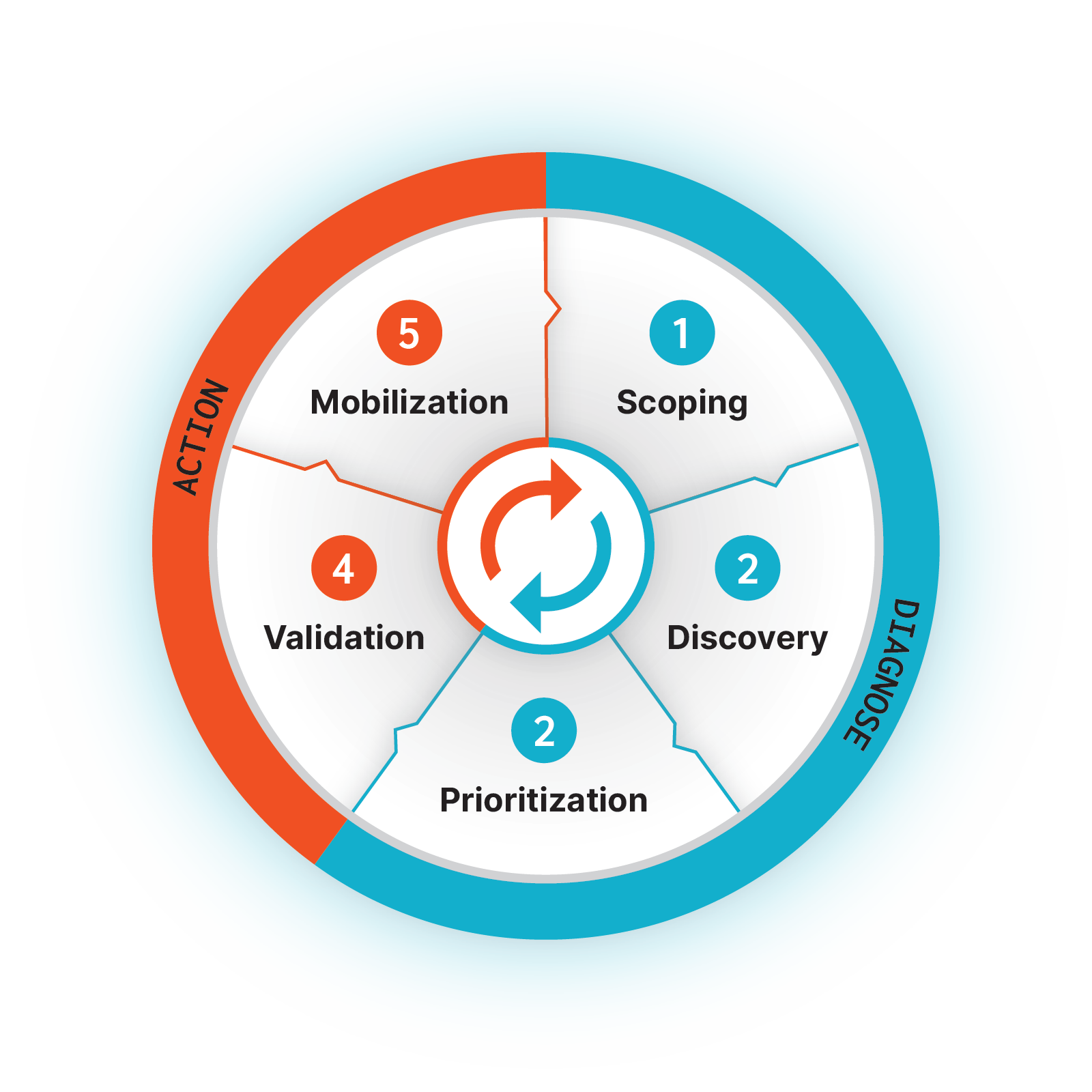
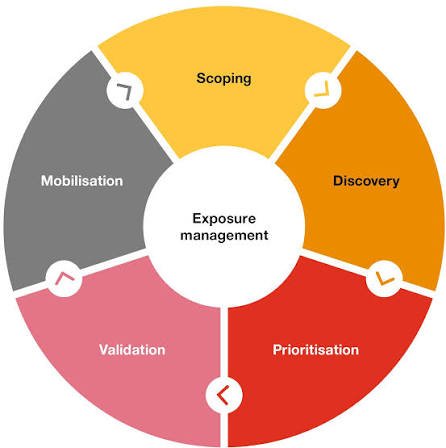
Exposure management follows a continuous lifecycle designed to reduce cyber risk proactively.
Asset Discovery
The first step is identifying all assets connected to the organization’s environment.
This includes:
- Servers
- Endpoints
- Cloud resources
- Applications
- Databases
- User accounts
- APIs
- Third-party integrations
Security teams cannot protect assets they do not know exist.
Continuous discovery helps eliminate blind spots.
Exposure Identification
Once assets are identified, organizations assess potential exposures such as:
- Software vulnerabilities
- Misconfigurations
- Weak credentials
- Excessive permissions
- Open ports
- Shadow IT assets
- Outdated systems
This creates a complete inventory of security weaknesses.
Risk Analysis
Not all exposures carry the same level of risk.
Exposure management platforms analyze factors such as:
- Exploitability
- Asset criticality
- Business impact
- Threat intelligence
- Attack path analysis
This helps determine which exposures pose the highest risk to the organization.
Prioritization
Security teams often face thousands of vulnerabilities.
Exposure management prioritizes remediation efforts by focusing on:
- High-impact vulnerabilities
- Actively exploited weaknesses
- Critical business assets
- High-risk attack paths
This reduces alert fatigue and improves efficiency.
Remediation and Validation
After prioritization, organizations can:
- Apply patches
- Fix misconfigurations
- Reduce permissions
- Remove unused assets
- Strengthen security controls
Continuous validation ensures exposures are effectively addressed.
Key Components of Exposure Management
Attack Surface Management (ASM)
Attack Surface Management continuously monitors internet-facing assets that attackers can discover and target.
ASM helps organizations identify:
- Unknown assets
- Exposed services
- Public-facing vulnerabilities
- Shadow IT resources
Reducing attack surface visibility lowers overall cyber risk.
Vulnerability Management
Exposure management incorporates traditional vulnerability management but adds contextual risk analysis.
Instead of focusing solely on vulnerability severity scores, organizations evaluate:
- Business impact
- Asset importance
- Exploit availability
- Real-world attack likelihood
Identity Exposure Management
Compromised identities are among the most common causes of security breaches.
Identity exposure management focuses on:
- Excessive privileges
- Dormant accounts
- Weak authentication
- Credential exposure
- Identity attack paths
This helps reduce risks associated with account compromise.
Cloud Security Exposure Management
Cloud environments introduce unique security challenges.
Exposure management solutions evaluate:
- Misconfigured storage
- Excessive cloud permissions
- Publicly accessible resources
- Insecure APIs
- Cloud workload vulnerabilities
Continuous visibility is essential for cloud security.
Threat Intelligence Integration
Exposure management platforms often integrate threat intelligence feeds.
This allows organizations to identify:
- Actively exploited vulnerabilities
- Emerging attack techniques
- Threat actor activity
- Industry-specific threats
Risk assessments become more accurate and actionable.
Benefits of Exposure Management
Improved Risk Visibility
Exposure management provides a unified view of security risks across the entire organization.
Security leaders gain better insight into:
- Attack surface exposure
- Critical vulnerabilities
- Security gaps
- Business risks
This supports informed decision-making.
Better Prioritization
Many organizations struggle with vulnerability overload.
Exposure management helps teams focus on:
- The most exploitable weaknesses
- High-value assets
- Critical attack paths
This maximizes security resources and reduces wasted effort.
Reduced Attack Surface
By continuously identifying and eliminating exposures, organizations shrink the opportunities available to attackers.
This significantly lowers the likelihood of successful cyberattacks.
Faster Remediation
Exposure management streamlines security operations by directing attention toward the most urgent risks.
Teams can resolve critical issues more quickly and efficiently.
Stronger Compliance Posture
Regulatory frameworks increasingly require organizations to demonstrate proactive risk management.
Exposure management supports compliance with standards such as:
- GDPR
- ISO 27001
- PCI DSS
- HIPAA
- NIST Cybersecurity Framework
Continuous monitoring improves audit readiness and reporting capabilities.
Exposure Management and Zero Trust Security
Exposure management aligns closely with Zero Trust security principles.
Zero Trust assumes that no user, device, or system should be trusted automatically.
Exposure management supports this model by:
- Continuously assessing risk
- Monitoring identities
- Evaluating device security
- Identifying attack paths
- Reducing unnecessary access
Together, these approaches create a more resilient cybersecurity posture.
Rather than reacting to threats, organizations can proactively reduce opportunities for compromise.
Common Challenges in Exposure Management
Asset Visibility Gaps
Many organizations struggle to maintain accurate asset inventories.
Shadow IT, cloud sprawl, and unmanaged devices can create visibility challenges.
Data Overload
Large enterprises may generate enormous volumes of security data.
Without effective prioritization, security teams can become overwhelmed.
Resource Constraints
Many organizations face shortages of cybersecurity talent.
Exposure management tools help automate risk analysis, but skilled personnel remain essential.
Complex Hybrid Environments
Modern infrastructures often span:
- On-premises systems
- Multiple cloud providers
- SaaS applications
- Third-party vendors
Managing exposures across these environments requires integrated security strategies.
The Future of Exposure Management
Exposure management is rapidly evolving as organizations seek more proactive security approaches.
Emerging trends include:
AI-Powered Risk Prioritization
Artificial intelligence is improving exposure analysis by identifying the most likely attack paths and high-impact vulnerabilities.
Continuous Threat Exposure Management (CTEM)
Organizations are increasingly adopting CTEM frameworks that continuously validate security effectiveness and exposure reduction efforts.
Automated Remediation
Future exposure management platforms will automate many remediation processes, reducing response times and operational burdens.
Unified Security Platforms
Exposure management capabilities are becoming integrated into broader cybersecurity platforms, providing centralized visibility and control.
Conclusion
As cyber threats continue to evolve, organizations can no longer rely solely on traditional vulnerability management programs. The modern attack surface is too large, dynamic, and interconnected for reactive security approaches to remain effective.
Exposure Management provides a proactive framework for identifying, prioritizing, and eliminating security weaknesses before attackers can exploit them. By combining asset discovery, risk analysis, threat intelligence, and continuous monitoring, organizations gain a comprehensive understanding of their cyber risk landscape.
In an era where attackers actively search for hidden vulnerabilities and misconfigurations, exposure management enables businesses to stay ahead by closing security gaps before they become entry points for compromise. Organizations that embrace this approach will be better positioned to reduce risk, strengthen resilience, and build a more secure digital future.





Leave a Reply