

Table of Contents
- Introduction: Why Passwords Are No Longer Enough
- What Is Passwordless Authentication
- Why Enterprises Are Moving Beyond Passwords
- How Passwordless Authentication Works in Enterprises
- The Role of Passkeys in Enterprise Security
- Passwordless Adoption and Zero Trust Architecture
- Key Benefits of Passwordless Adoption in Enterprises
- Common Enterprise Passwordless Methods
- Challenges in Passwordless Adoption
- Best Practices for Successful Passwordless Implementation
- Passwordless Authentication and the Future of Enterprise Security
- How Passwordless Adoption Impacts Enterprise Risk Management
- Measuring ROI of Passwordless Adoption
- Industries Leading Passwordless Adoption
- Passwordless vs Multi-Factor Authentication
- Why Passwordless Adoption Is a Strategic Imperative
- Conclusion: Embracing the New Era of Secure Access
Introduction: Why Passwords Are No Longer Enough
For decades, passwords have been the foundation of enterprise security. From email logins to mission-critical applications, organizations have relied on alphanumeric strings to protect access.
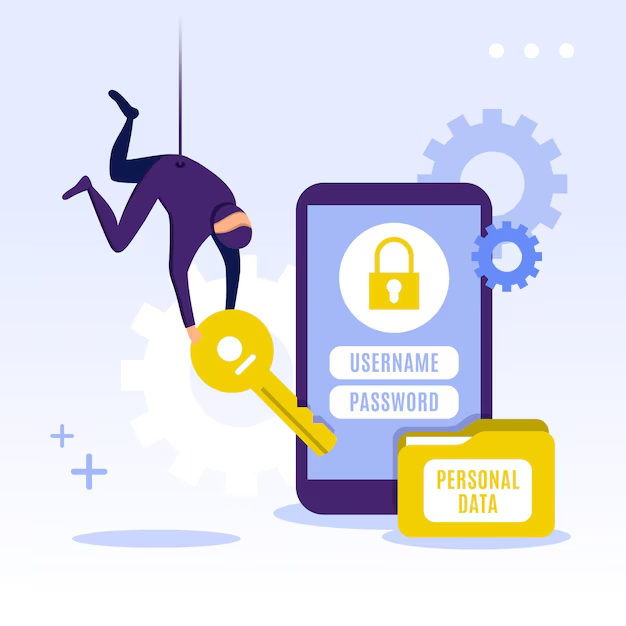
But passwords are now one of the weakest links in enterprise cybersecurity.
They are reused, shared, phished, stolen, and brute-forced. Despite increasing awareness and stronger password policies, breaches continue to exploit credential vulnerabilities. As digital ecosystems expand across cloud, SaaS, hybrid work environments, and remote devices, managing passwords has become both a security liability and a productivity burden.
This shift has accelerated the rise of passwordless authentication, marking a new era of secure access in enterprises.
Passwordless adoption is no longer experimental. It is becoming a strategic imperative.
What Is Passwordless Authentication
Passwordless authentication eliminates traditional passwords and replaces them with secure identity verification methods such as:
- Biometric authentication (fingerprint, facial recognition)
- Hardware security keys
- Mobile authenticator apps
- Push notifications
- Passkeys
- Smart cards
- One-time secure tokens
Instead of remembering passwords, users verify identity using something they have or something they are.
This significantly reduces the attack surface associated with credential-based threats.
Why Enterprises Are Moving Beyond Passwords
1. Rising Credential-Based Attacks
Credential theft remains a leading cause of breaches. Phishing campaigns, credential stuffing, and brute-force attacks exploit weak or reused passwords.
Attackers no longer need sophisticated tools. A compromised password is often enough.
Passwordless systems eliminate shared secrets, making stolen credentials useless.
2. Remote and Hybrid Work Expansion
The modern workforce operates across:
- Home networks
- Public Wi-Fi
- Personal devices
- Multiple cloud platforms
Passwords are difficult to manage securely in such distributed environments.
Passwordless authentication improves access security without increasing user friction.
3. Compliance and Regulatory Pressure
Data protection regulations demand stronger authentication standards.
Passwordless frameworks align with zero trust architectures and modern compliance requirements by reducing credential vulnerabilities.
4. Poor User Experience
Complex password policies frustrate employees.
Common challenges include:
- Forgotten passwords
- Frequent resets
- Lockouts
- Helpdesk dependency
Passwordless authentication improves productivity while strengthening security.
How Passwordless Authentication Works in Enterprises
Passwordless access typically relies on public-key cryptography.
Instead of storing a shared password:
- A private key is securely stored on the user’s device.
- A public key is stored on the server.
- Authentication occurs through cryptographic verification.
Even if attackers intercept communication, they cannot reconstruct the private key.
This architecture dramatically reduces risk.
The Role of Passkeys in Enterprise Security
Passkeys are emerging as a secure, user-friendly alternative to passwords.
They:
- Use device-based authentication
- Integrate biometric verification
- Resist phishing attacks
- Support cross-device access
Enterprises adopting passkeys benefit from enhanced security and simplified onboarding.
Passwordless Adoption and Zero Trust Architecture
Zero trust security operates on the principle of:
Never trust, always verify.
Passwordless authentication complements zero trust models by:
- Verifying identity continuously
- Enforcing device-level authentication
- Reducing reliance on static credentials
This strengthens secure access across cloud and on-premise systems.
Key Benefits of Passwordless Adoption in Enterprises
1. Enhanced Security Posture
By eliminating passwords, organizations:
- Reduce phishing vulnerability
- Prevent credential stuffing
- Minimize brute-force risks
- Lower breach probability
Security becomes proactive rather than reactive.
2. Improved User Experience
Biometric authentication is faster than typing complex passwords.
Employees gain:
- Seamless login experiences
- Fewer lockouts
- Reduced reset requests
This increases productivity.
3. Lower IT Support Costs
Password resets account for a significant portion of helpdesk tickets.
Passwordless systems dramatically reduce support overhead.

4. Stronger Compliance Alignment
Modern authentication standards support:
- Multi-factor authentication requirements
- Identity assurance frameworks
- Secure audit trails
This simplifies regulatory reporting.
5. Scalability Across Cloud Environments
As enterprises adopt multi-cloud ecosystems, password management becomes more complex.
Passwordless systems integrate seamlessly with:
- SaaS applications
- Cloud identity providers
- Endpoint security frameworks
Common Enterprise Passwordless Methods
Biometric Authentication
Fingerprint or facial recognition provides:
- Strong identity verification
- Fast authentication
- Device-level security
Hardware Security Keys
Physical security tokens generate cryptographic authentication responses.
They offer high security for privileged users and administrators.
Push-Based Authentication
Users approve login attempts via mobile devices.
This reduces reliance on SMS-based one-time passwords, which are vulnerable to SIM-swapping.
Certificate-Based Authentication
Digital certificates validate identity securely across enterprise networks.
Challenges in Passwordless Adoption
Legacy System Compatibility
Older applications may not support passwordless authentication.
Enterprises must integrate identity gateways or modernize infrastructure.
Change Management Resistance
Employees accustomed to passwords may resist new methods.
Training and communication are critical for smooth adoption.
Initial Implementation Complexity
Deploying passwordless authentication requires:
- Identity provider integration
- Endpoint readiness
- Security policy updates
Strategic planning minimizes disruption.
Device Dependency Concerns
Passwordless methods often rely on trusted devices.
Enterprises must plan for lost, stolen, or replaced devices securely.
Best Practices for Successful Passwordless Implementation
Start With High-Risk Use Cases
Prioritize:
- Administrative accounts
- Remote access systems
- Cloud management consoles
This maximizes early impact.
Adopt a Phased Rollout Strategy
Implement passwordless authentication in stages:
- Pilot group
- Department-level rollout
- Organization-wide deployment
Gradual adoption reduces friction.
Integrate With Identity and Access Management Systems
Passwordless authentication should align with:
- Identity governance
- Access control policies
- Conditional access rules
Integration ensures cohesive security.
Educate Employees
Clear communication improves adoption.
Explain:
- Security benefits
- Ease of use
- Backup authentication methods
Implement Backup and Recovery Mechanisms
Ensure secure fallback options for:
- Device loss
- Biometric failure
- Hardware malfunction
Redundancy prevents access disruption.
Passwordless Authentication and the Future of Enterprise Security
The shift toward passwordless systems is part of a broader transformation in identity security.
Future trends include:
- Continuous authentication
- Behavioral biometrics
- Risk-based access decisions
- AI-driven identity verification
Access decisions will increasingly rely on contextual signals rather than static credentials.
How Passwordless Adoption Impacts Enterprise Risk Management
By reducing credential exposure, enterprises:
- Lower breach likelihood
- Improve cyber insurance posture
- Strengthen stakeholder confidence
- Protect brand reputation
Security becomes a strategic differentiator rather than a reactive cost center.
Measuring ROI of Passwordless Adoption
Key metrics include:
- Reduction in password reset tickets
- Decrease in phishing incidents
- Faster authentication times
- Lower breach response costs
- Improved user satisfaction
Security investments become quantifiable.
Industries Leading Passwordless Adoption
Early adopters include:
- Financial services
- Healthcare organizations
- Technology enterprises
- Government institutions
These sectors prioritize identity security and compliance rigor.
Passwordless vs Multi-Factor Authentication
While multi-factor authentication adds security layers, it still often relies on passwords.
Passwordless authentication removes the weakest factor entirely.
This creates a stronger foundation for secure access.
Why Passwordless Adoption Is a Strategic Imperative
Enterprise threat landscapes are evolving rapidly.
Attackers increasingly target identity rather than infrastructure.
Passwords are no longer adequate defense mechanisms.
Organizations that transition to passwordless authentication gain:
- Resilience against modern threats
- Enhanced employee experience
- Reduced operational overhead
- Future-ready security frameworks
Conclusion: Embracing the New Era of Secure Access
The era of passwords is fading.
In its place emerges a smarter, safer, and more seamless approach to authentication.
Passwordless adoption in enterprises is not just about eliminating passwords. It represents a transformation in how organizations think about identity, access, and trust.
As hybrid work expands and digital ecosystems grow more complex, secure access must evolve.
Enterprises that embrace passwordless authentication today position themselves for stronger security, improved efficiency, and sustainable digital growth.
The future of enterprise access is passwordless.



Leave a Reply