

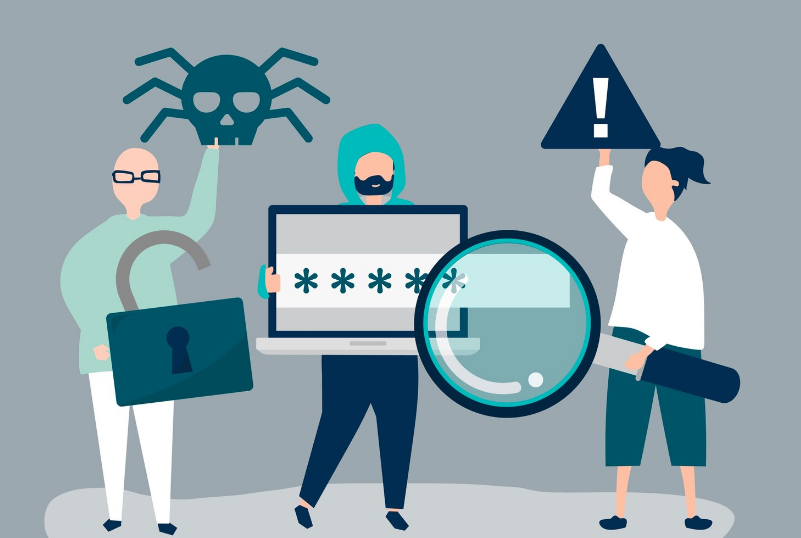
Identity Threat Detection: The Rising Priority for CISOs in 2026
In the rapidly evolving cybersecurity landscape, identity-related threats are emerging as one of the most pressing concerns for organizations across industries. With an increasing number of security breaches linked to compromised identities, Chief Information Security Officers (CISOs) are prioritizing identity threat detection (ITD) more than ever. By 2026, it is predicted that identity threats will account for an even larger proportion of the overall cyber threat landscape. As enterprises continue to digitalize their operations, the need to secure identities — both human and machine — will become a central focus for CISOs. In this article, we will explore why identity threat detection is becoming a rising priority for security leaders, the challenges involved, and strategies to safeguard against identity-related threats in 2026.
The Growing Importance of Identity in Cybersecurity
Identity has become the new perimeter in today’s cloud-first world. As organizations increasingly shift toward cloud-based platforms, remote workforces, and distributed ecosystems, traditional security models based on perimeter defense are becoming obsolete. The traditional “castle-and-moat” model, where security is concentrated around the network perimeter, no longer applies when sensitive data and systems are accessed from anywhere, often using various identities across multiple platforms.
From user credentials to machine identities, securing identity has become a critical task. In fact, the rise of identity-driven attacks — including credential stuffing, phishing, and identity fraud — has given rise to new security threats that put businesses at risk. As we look ahead to 2026, the ability to detect and mitigate identity-based threats will be an essential responsibility for CISOs.
The Evolution of Identity Threats
Over the years, the landscape of identity threats has evolved. Initially, security breaches were often associated with direct attacks on infrastructure. However, as businesses increasingly moved to digital and cloud-based environments, the focus shifted to the threats posed by compromised credentials.
Here are some of the main identity threats organizations face today:
1. Credential-Based Attacks
Credential stuffing, brute-force attacks, and phishing are the most common ways cybercriminals compromise accounts. Once attackers gain access to a legitimate identity, they can carry out various malicious activities such as stealing sensitive data, executing ransomware attacks, or even compromising entire systems.
With the growing adoption of multi-factor authentication (MFA), attackers have started to adapt by using more sophisticated methods like SIM-swapping and social engineering to bypass MFA controls. This makes it even more critical for organizations to not only rely on traditional authentication methods but also implement proactive threat detection techniques.
2. Insider Threats
Insider threats have been a longstanding issue in cybersecurity. These threats are often harder to detect because they originate from individuals who already have authorized access to the organization’s systems. Whether it’s an employee intentionally leaking information or a disgruntled staff member attempting to cause harm, insider threats are particularly challenging to combat.
Detecting identity-related insider threats requires advanced monitoring capabilities that can differentiate between normal and abnormal behavior, even from trusted users.

3. Compromised Service Accounts
In modern IT environments, many systems use service accounts (i.e., machine identities) to access resources and perform automated tasks. If these accounts are not properly secured or monitored, attackers can gain access to sensitive systems without raising red flags. Because service accounts often have high privileges, they present a significant security risk when compromised.
4. Identity Fraud
Identity fraud occurs when attackers impersonate a legitimate user or entity to carry out malicious activities. This includes fraudulently acquiring access to financial services, manipulating public records, or stealing intellectual property. The increasing availability of stolen personal information on the dark web makes it easier for attackers to impersonate employees, partners, or customers.
5. Abuse of Privileged Access
Privileged access management (PAM) remains a hot topic for many CISOs, especially as cybercriminals continue to exploit vulnerabilities in privileged accounts. A compromised privileged account gives attackers full access to critical systems, databases, and other resources. With privileged accounts, attackers can escalate their access, move laterally within an organization, and cause widespread damage.
Why Identity Threat Detection Will Be a Top Priority in 2026
As the cybersecurity threat landscape evolves, CISOs will have to increasingly focus on identity threat detection. Several key trends are driving this shift:
1. Shift to Remote and Hybrid Work
The COVID-19 pandemic forced many organizations to adopt remote work models, and this shift is likely to remain in place for the foreseeable future. In 2026, it’s expected that remote and hybrid work will be the norm for many industries. This paradigm shift means that employees, contractors, and third parties will access corporate networks from diverse, less-secure locations, making identity security even more critical. Threat actors will continue to exploit vulnerabilities in user identities to gain unauthorized access to systems, often bypassing traditional perimeter defenses.
2. Increasing Cloud Adoption
As organizations migrate more of their infrastructure to the cloud, they open new attack surfaces for cybercriminals to exploit. Cloud service providers (CSPs) offer various identity management tools, but these must be configured and monitored properly. Without strong identity security practices, businesses risk granting attackers access to sensitive data and applications.
In 2026, hybrid cloud and multi-cloud environments will be widespread, further complicating identity and access management (IAM) across diverse platforms. CISOs will need to adopt more advanced methods of identity threat detection to manage risks in this complex environment.
3. The Proliferation of IoT and Machine Identities
The increasing reliance on Internet of Things (IoT) devices, as well as machine-to-machine communications, is creating a new wave of identity-related threats. In a fully connected digital ecosystem, IoT devices, sensors, and automated processes require machine identities to function. However, these devices are often not designed with security in mind and can be easily compromised by attackers.
In 2026, it is predicted that there will be billions of connected devices, all requiring unique identities and access controls. As the number of machine identities grows, so too will the security risks associated with them.
4. Data Privacy Regulations
Data privacy regulations such as the GDPR, CCPA, and new frameworks being adopted worldwide are placing increasing pressure on organizations to secure the identities of their customers, employees, and partners. Regulatory bodies are beginning to impose stricter penalties for data breaches caused by identity theft and unauthorized access.
As we move into 2026, CISOs will need to ensure that their identity management practices comply with evolving regulatory standards. Failing to implement proper identity threat detection could result in hefty fines and damage to the organization’s reputation.
5. Rise of Advanced Persistent Threats (APTs)
Nation-state actors and other sophisticated adversaries are increasingly focusing on identity theft as part of their attack campaigns. These attackers may infiltrate an organization over a prolonged period, carefully targeting identities to gain access to sensitive systems and data.
By 2026, APTs will continue to refine their tactics, techniques, and procedures (TTPs) to exploit weaknesses in identity management. CISOs will need to deploy advanced identity threat detection solutions that can track and respond to these stealthy, multi-phased attacks.
Strategies for Identity Threat Detection in 2026
CISOs will need to adopt a range of strategies and technologies to defend against the rising tide of identity threats. Here are some key strategies to improve identity threat detection capabilities:
1. Adopt Zero Trust Architecture (ZTA)
Zero Trust is an emerging security model that assumes no one — whether inside or outside the organization — should be trusted by default. Instead, all access requests must be continuously verified. The Zero Trust approach focuses on securing identities by applying least privilege access controls, real-time monitoring, and segmentation.
By 2026, Zero Trust will likely be the standard for securing identities. CISOs will need to implement a combination of identity and access management (IAM), multi-factor authentication (MFA), and behavioral analytics to ensure secure access and detect any anomalies in user behavior.
2. Use Advanced Machine Learning and AI for Detection
Machine learning and artificial intelligence (AI) are becoming essential tools for detecting identity threats. AI-powered systems can identify anomalous behavior and quickly detect abnormal access patterns, helping CISOs pinpoint potential identity-based attacks in real-time.
For example, an AI-powered security solution could detect when an employee’s credentials are being used at unusual hours, in a different geographical location, or on an unfamiliar device, triggering an automatic response.
3. Implement Multi-Factor Authentication (MFA)
Multi-factor authentication remains one of the most effective ways to defend against credential-based attacks. However, as attackers become more sophisticated, CISOs will need to enhance MFA by incorporating additional factors, such as biometric verification or behavioral biometrics.
4. Monitor User Behavior
User and entity behavior analytics (UEBA) can help detect anomalous activities that may indicate an identity threat. By continuously monitoring user behavior, CISOs can create a baseline of normal activity and quickly identify deviations that could signal a breach.
In 2026, UEBA will become an essential tool for detecting insider threats and compromised identities, allowing security teams to respond before the attacker can cause significant harm.
5. Regularly Update and Patch Identity Systems
As identity management systems evolve, so too do the vulnerabilities that cybercriminals seek to exploit. CISOs will need to ensure that their IAM and identity threat detection systems are continuously updated to protect against the latest threats. Regular patching and vulnerability assessments are key to maintaining a strong defense.
Conclusion
As we approach 2026, identity threat detection will be one of the most critical areas of focus for CISOs. With an increasingly complex digital ecosystem, identity-related threats will continue to evolve and grow,
requiring businesses to adopt advanced security strategies and technologies. CISOs must proactively address the challenges of securing identities across cloud platforms, IoT devices, and hybrid work environments, all while staying ahead of the evolving tactics of cybercriminals.
By implementing strong identity security measures, including Zero Trust architecture, AI-driven detection, and continuous monitoring, organizations will be better equipped to detect and respond to identity threats. As the identity threat landscape continues to evolve, CISOs must adapt and stay vigilant to ensure their organizations remain secure in the years to come.



Leave a Reply